The way people experience outdoor space has a direct effect on how often they choose to use it. A campus walkway, hospital courtyard, or public plaza can be beautifully designed on paper, yet still feel uncomfortable or underutilized if the environment is too hot, too bright, or lacking a sense of protection. This is why architects and planners are placing greater emphasis on Health, Safety, and Wellness (HSW) in design.
Shade structures support these goals in practical and meaningful ways. They help moderate heat, improve comfort, ease movement across a site, and create welcoming places for gathering. These benefits are not tied to medical claims or product guarantees. They simply reflect what people tend to seek in outdoor environments that feel safe and enjoyable.
This article explores how
architectural shade structures contribute to healthier outdoor spaces from an HSW perspective. The focus remains on the design principles that improve usability and comfort across
campuses,
healthcare settings, civic environments, corporate landscapes, and community destinations.
In this article:
Shade encourages people to stay longer, enjoy outdoor spaces more

Comfort is one of the most powerful forces behind whether people choose to stay outdoors or move quickly back indoors. Shade has a measurable effect on
surface temperatures, glare, light quality, and overall
heat load in a space. When a walkway, courtyard, or seating area has consistent shade, people tend to slow down, stay longer, and feel more at ease.
Comfort also influences behavior. Students gravitate to shaded study spots. Families choose shaded benches over sunny ones. Hospital visitors often look for outdoor areas that offer relief from glare and heat. Shaded paths encourage walking in places where unshaded routes may feel difficult to use during midday hours.
Thoughtful shade placement supports:
- Cooler surface temperatures that make outdoor spaces more comfortable
- A balanced quality of light that reduces strain when reading or working
- Reduced glare that helps improve visibility
- Longer usability during peak sunlight hours
- A natural tendency for people to engage more with outdoor environments
When architects introduce shade structures early in the design process, they can influence how people flow through the space and how long they choose to remain there. This kind of user-driven design supports well-being by creating outdoor environments that invite movement, gathering, and meaningful rest.
Supporting Safer and More Comfortable Pedestrian Movement
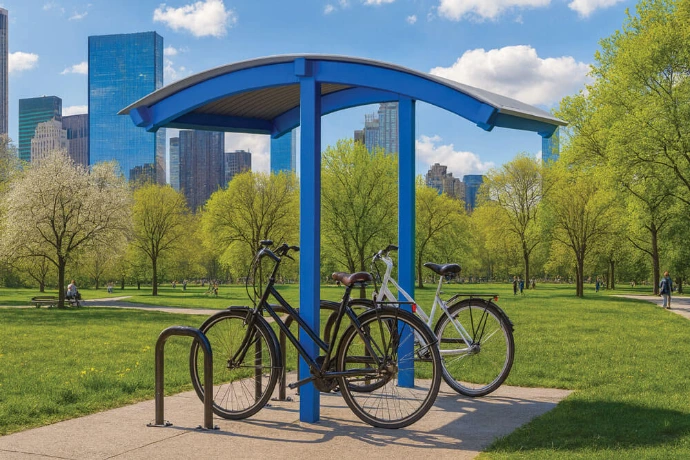
Safe movement across a site is at the heart of many HSW guidelines. Shade structures play a role in supporting that movement, especially when they are integrated into
primary pedestrian routes and
transition points.
Covered walkways make circulation feel more predictable. When a path offers relief from heat and sun, people can move with a sense of ease rather than rushing to avoid discomfort. This is especially important in healthcare and senior living settings, where visitors and residents may take slower, assisted, or more deliberate steps.
Shaded walkways contribute to:
- Clear, comfortable routes between buildings
- Reduced visual strain through softer, more even lighting
- Predictable pedestrian paths that improve navigation
- Better visibility due to reduced glare
- Zones that feel protected from harsh weather conditions
Courtyards also benefit from shade in ways that support safe and confident use. Without shade, these areas can become too bright or too hot, which discourages people from stopping or gathering. Shade structures help define edges, organize seating, and create microclimates that support calm and comfortable use.
For public works projects, universities, and civic campuses, these improvements create more intuitive environments. People tend to make safer choices when paths and gathering spaces feel comfortable and easy to navigate.
Extending the Usability of Outdoor Learning and Work Spaces
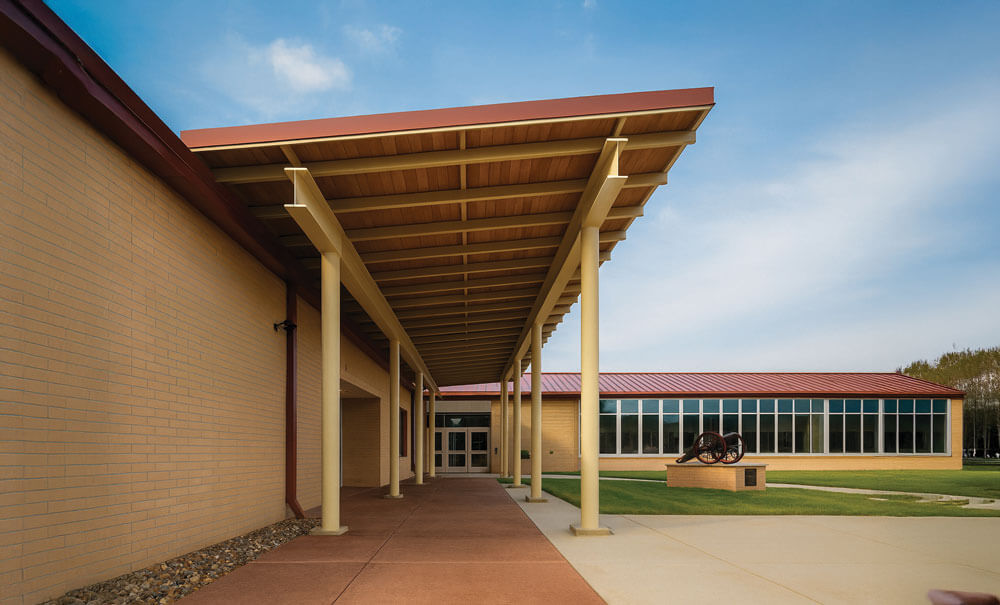
Outdoor learning, studying, and working have all grown significantly as institutions aim to create more flexible and enriching
educational environments. Shade structures play a key role in making these spaces practical.
Light quality matters. Without shade, screen visibility drops, glare increases, and temperatures rise quickly. When architectural shade is incorporated into outdoor classrooms, collaboration zones, and seating areas, these spaces remain comfortable for longer periods.
In K–12 and higher education settings, shade supports:
- Outdoor classrooms that stay usable through midday
- Study zones that students naturally prefer
- Informal meeting spots that encourage collaboration
- Reduced glare for reading and digital work
In corporate or institutional environments, outdoor workspaces see similar benefits. Staff can hold small meetings outdoors, work through tasks in a brighter and more refreshing setting, or enjoy breaks in a space that feels restorative rather than exposed. This improved usability supports workplace well-being by giving employees more choice in how they use the site.
Healthcare environments also benefit from shaded outdoor areas. Families waiting between appointments, staff seeking a short break outdoors, or patients walking between buildings all experience the environment more comfortably when shade is part of the design.
A well-shaded outdoor space helps people use the site in ways that feel natural, calm, and sustainable.
Shade Structures as a Tool for Inclusive and Accessible Design
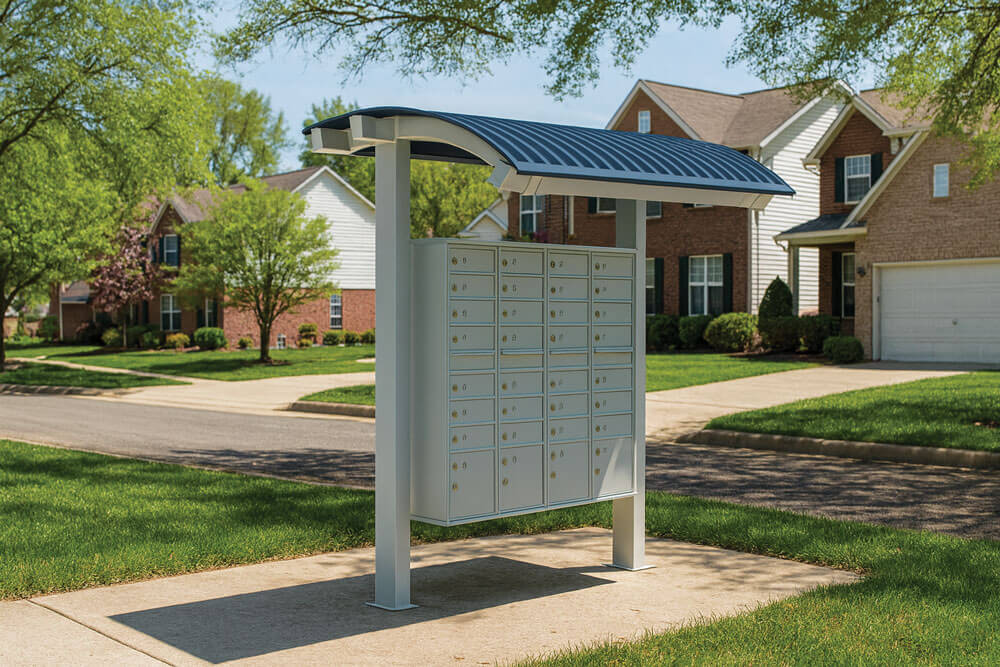
Inclusive design is a key component of many HSW guidelines.
Safe and accessible outdoor spaces need predictable conditions, clear wayfinding cues, and comfortable paths of travel that work for people of varying abilities and sensitivities.
Shade structures support these goals by creating environments that are easier to navigate and less physically demanding. An accessible walkway that is shaded throughout helps reduce heat load and glare for users who may move slowly or require mobility assistance. A shaded waiting area or entry canopy gives people a consistent place to pause, orient themselves, and prepare for the next transition.
Shade contributes to inclusive design by:
- Reducing glare that can interfere with depth perception or visibility
- Encouraging slower or assisted movement through cooler routes
- Supporting safe waiting zones near entrances or transit areas
- Offering consistent visual markers that help with orientation
- Creating calm spaces that feel welcoming rather than overwhelming
In many senior living, healthcare, and civic environments, these features make outdoor spaces more approachable. People feel more confident using them, which encourages movement, connection, and a stronger sense of independence.
Architectural shade is not the only tool in inclusive design, but it adds meaningful support when combined with lighting, landscaping, pathways, and architectural cues.
Heat-Aware Planning for High-Use Public Environments
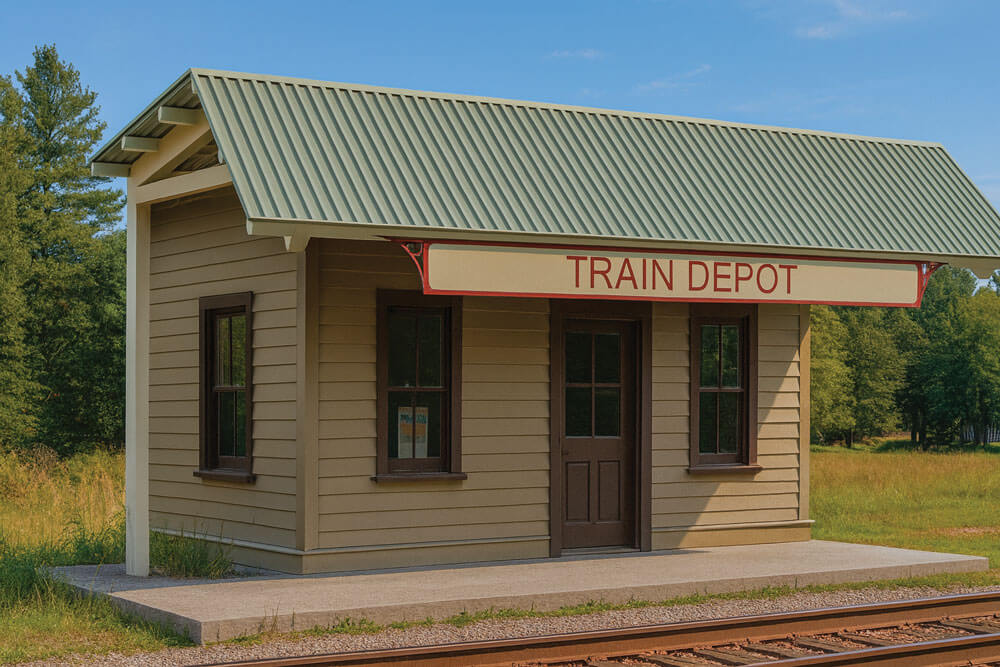
Heat-aware planning is becoming a standard consideration across many types of projects. Rising temperatures and busy schedules mean outdoor spaces have to work harder throughout the day. Shade structures offer a way to create consistently
comfortable microclimates, especially in spaces that see heavy use.
Public plazas, outdoor markets, performance venues, transit stops, and busy walkways often experience temperature spikes that discourage extended use. Structural shade helps regulate these areas so they stay inviting even during high-use hours.
Effective heat-aware planning considers:
- Sun orientation and the shifting path of shade throughout the day
- Placement of shade structures over seating, walkways, and gathering zones
- Material and color choices that minimize heat absorption
- Integration of airflow to maintain cooler pockets of air
- Balancing open and shaded zones to support different types of activity
Design teams who study these patterns can shape environments that feel comfortable without relying on mechanical cooling. These improvements encourage people to stay longer, spread out more comfortably, and participate in outdoor activities throughout the day.
Communities benefit when outdoor spaces work reliably for events, daily routines, and high-traffic periods. Shade helps make this possible.
Outdoor environments matter.
When they are comfortable and easy to navigate, people naturally choose to use them more often. Shade structures play a meaningful part in supporting these patterns by softening harsh conditions, improving circulation, and creating calm places where people want to gather.
Architects and planners who integrate shade early in their design process set the stage for healthier and more welcoming outdoor experiences. These improvements support everyday habits like walking, socializing, working, or studying outdoors. They contribute to a sense of connection across campuses, civic spaces, and community environments.
If you want to stay connected to new research, design resources, and future opportunities to learn with the Anchor team, consider getting connected with us today. It is a simple way to strengthen your work, stay current with industry insights, and gain access to updates created for design professionals who care about thoughtful outdoor environments.